Supported by


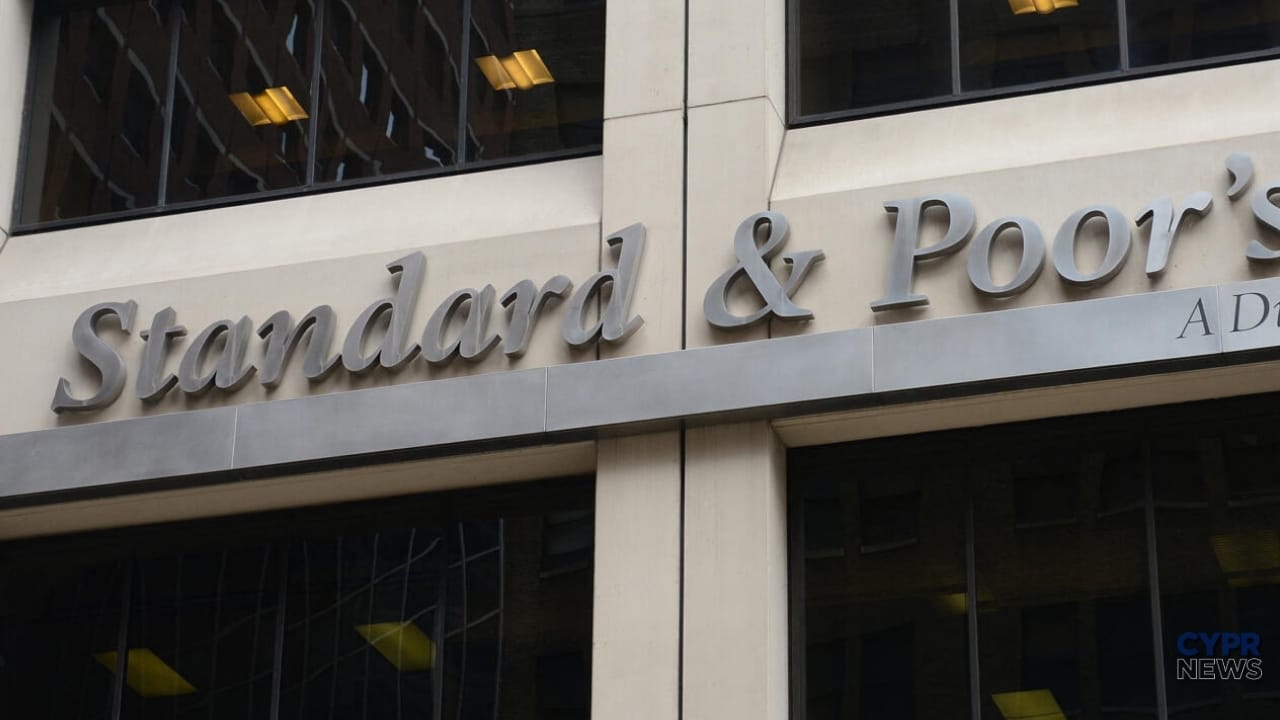
Cyprus is regaining its financial credibility, while Poland has received its first credit rating downgrade in many years. S&P Global Ratings upgraded the Republic of Cyprus's rating from A- to A, while Moody's downgraded Poland's rating from A2 to A3.
The decisions were made almost simultaneously, but they point in two different directions. Cyprus is enjoying budget surpluses and rapidly reducing its debt. Poland continues to grow economically, but maintains high deficits and its public debt is rising.
S&P Global Ratings raised Cyprus's long-term credit rating from A- to A. The outlook remained positive, meaning another upgrade is possible in the coming years.
This is the highest rating awarded to the Republic of Cyprus by S&P since 2011. It is also another sign that the country has restored the financial credibility lost during the banking crisis.
A credit rating can be compared to an assessment of a country's ability to meet its obligations on time. Agencies analyze, among other things:
The higher the rating, the lower the risk perceived by investors buying bonds of a given country.
At the same time, Moody's downgraded Poland's long-term rating from A2 to A3. The outlook was changed from negative to stable.
This means that the agency is not currently announcing another reduction, but has concluded that the current assessment no longer reflects the situation of Polish public finances.
Moody's primarily cited persistently high budget deficits and rising debt. Government spending is driven by factors including defense costs, social programs, debt servicing, and public investments.
The Polish economy continues to grow and remains resilient to many external challenges. However, this has not been enough to offset concerns about the country's finances.
The comparison is not entirely direct because the decisions were issued by two different agencies using different designations.
S&P has assigned Cyprus an A rating, while Moody's rates Poland at A3. In a rough scale comparison, Moody's' A3 rating corresponds to S&P's A-.
S&P itself maintained Poland's rating at A- with a stable outlook during its last review. This means that Cyprus is now one notch higher on its scale as well.
The most important reason is the rapid deleveraging. S&P predicts that Cyprus will achieve budget surpluses averaging just under 3 percent of gross domestic product in the coming years.
According to the agency's forecasts, public sector net debt could decline to around 31 percent of GDP by 2029. Economic growth, prudent fiscal policy, and revenues generated by developing sectors of the economy are expected to help.
The agency also highlighted the influx of foreign investment and the gradual diversification of the economy. Alongside tourism and real estate, technology, finance, and professional business services are playing an increasingly important role.
In Poland's case, the problem isn't a lack of economic growth. Moody's recognizes the economy's resilience, large domestic market, and the importance of investments financed by the European Union.
However, the condition of public finances was assessed negatively. Persistently high deficits are causing a rapid increase in debt, and the room for spending reductions remains limited.
The situation is further complicated by the political dispute between the government and the president, which could hinder the passage of legislation needed to reduce the deficit and increase state revenues.
Poland still holds an investment-grade rating and is not considered a creditworthy debtor. However, the downgrade serves as a clear warning that further deterioration of public finances could have consequences.
A higher rating won't automatically result in a drop in loan installments, rents, or store prices. Interest rates on mortgages and consumer loans depend primarily on decisions by the European Central Bank and the policies of individual banks.
A better rating, however, could lower the cost at which a country borrows money. If Cyprus pays less interest on its debt, a larger portion of the budget could be allocated to investments, healthcare, education, or infrastructure.
Banks and large enterprises raising capital on international markets can also benefit. This could indirectly foster investment and job creation.
The situation of Cyprus and Poland clearly shows that rapid economic growth is not the only element assessed by rating agencies.
Cyprus is growing slower than Poland, but is systematically reducing its debt and achieving budget surpluses. Poland is growing faster, but at the same time, it is recording high deficits and increasing its debt.
Cyprus's return to an A rating doesn't solve the problems related to the cost of living, energy prices, and housing affordability. However, it confirms that the country has come a long way since the banking crisis and is now rated more financially reliable than it has been in many years.
Sources: S&P Global Ratings, Moody’s Ratings, Polish Ministry of Finance, Cypriot Ministry of Finance.