Supported by


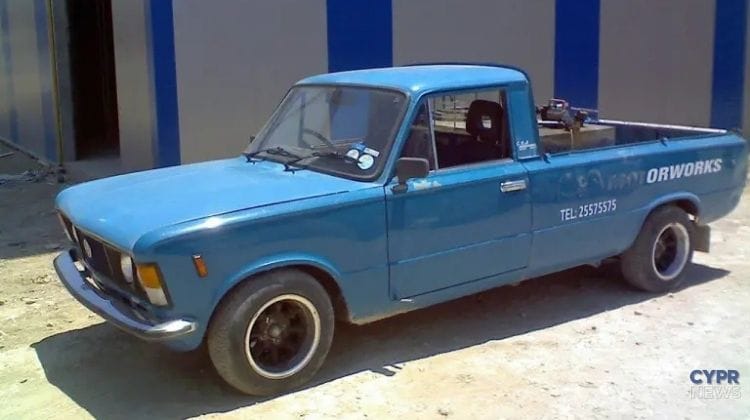
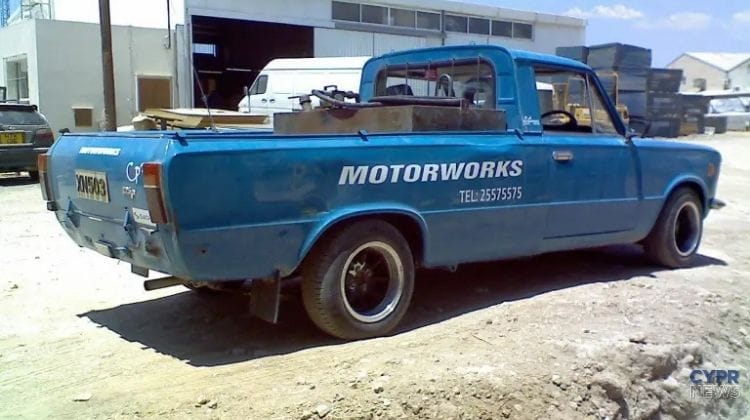
The Polish Fiat 125p, later sold as the FSO 1300 and FSO 1500, was exported to many countries around the world. The cars were also exported to Cyprus, where individual examples can still be found today, particularly in the utility pickup version. However, one old brochure raises a much more interesting question: could some of these vehicles have been assembled or modified on the island?
The Polish Fiat 125p was produced at the Warsaw Passenger Car Factory from 1967 to 1991. It was built under a license agreement with Fiat, but combined the body of the Italian Fiat 125 with the older mechanical solutions of the 1300 and 1500 models.
After the right to use the Fiat brand expired, the car was known as the FSO 125p, FSO 1300 or FSO 1500. In total, nearly 1.45 million units were produced, a significant portion of which were sent to foreign markets.
According to data cited by Cypr24.eu, 870 125p models and 104 Polonez models were supposed to have arrived in Cyprus. These figures show that Polish cars were not just a rare find on the island.
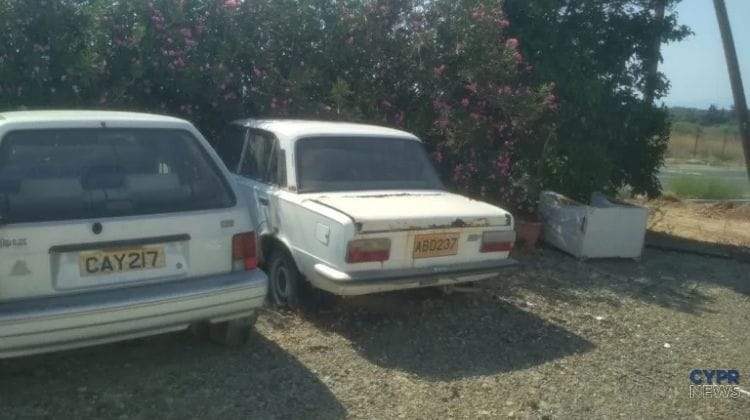
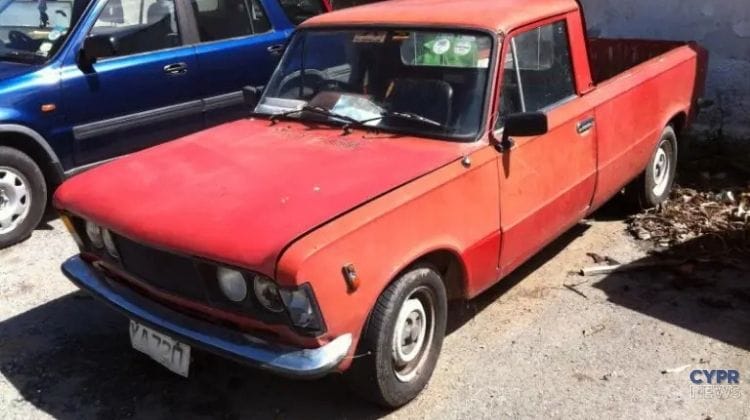
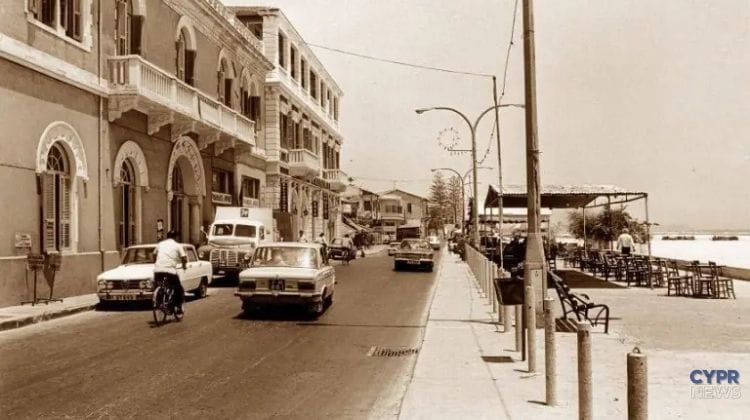
The biggest mystery is the advertising material showing a pickup truck resembling the FSO 1500, but sold under the brand CLAN.
The name is primarily associated with the British manufacturer of the lightweight sports car Clan Crusader. The rights and equipment for its production were purchased in the 1970s by Cypriot entrepreneur Andreas Kaisis, owner of Kaisis Motor Company, also known as KMC. The company manufactured commercial vehicles in Cyprus, including buses and trucks.
KMC planned to launch production of Clan cars at a new factory near Nicosia Airport. However, the plant found itself in a buffer zone following the events of 1974 and was abandoned.
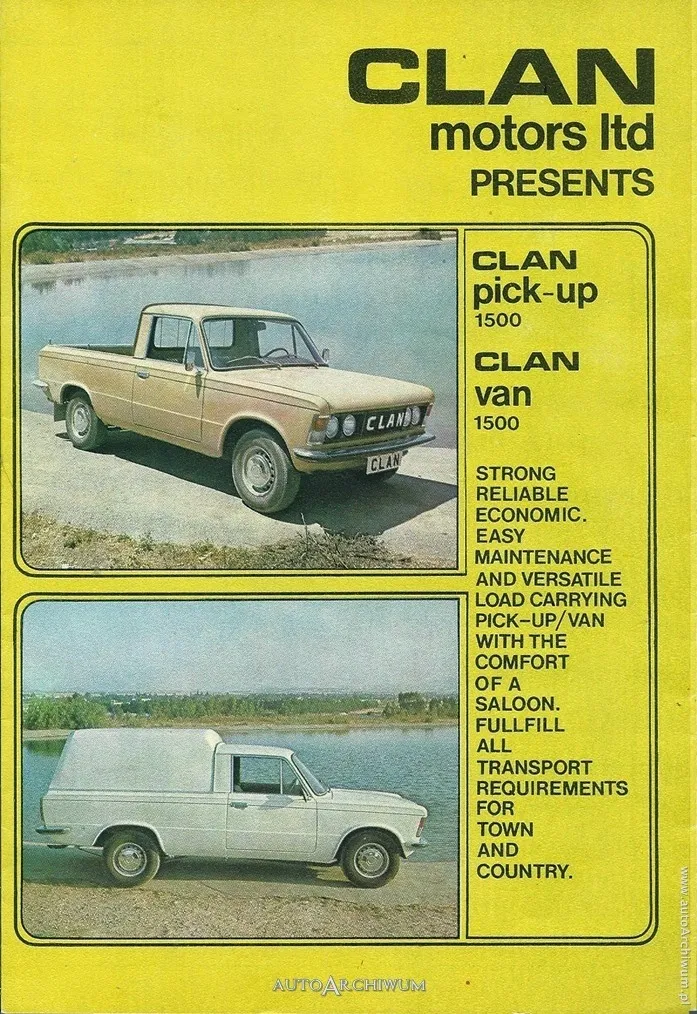
The brochure presenting the CLAN model with the appearance of a Polish pickup raises several possibilities.
The first hypothesis assumes that the finished cars were imported from Poland and merely received new commercial designations in Cyprus. The second hypothesis assumes that KMC assembled the vehicles from supplied components or built local conversions. It is also possible that CLAN was a name used by the Cypriot distributor, with no actual connection to the car's production.
So far, no documentation has been found that would clearly confirm the production of the FSO 1500 in Cyprus. Therefore, it's not fair to say that "the Big Fiat was produced on the island." However, there is an interesting clue pointing to local sales, rebranding, or modification of imported pickups.
The utility version of the Polski Fiat 125p was a simple car with a classic design and rear-wheel drive. It could be used by farmers, small businesses, and maintenance crews.
During the boom in construction and agriculture in Cyprus, inexpensive pickup trucks were a practical work tool. This may explain why these versions have survived longer on the island than passenger cars.
Some examples were spotted in Limassol and the Paphos area, among other places. Today, they are a remarkable reminder of a period when Polish motoring reached markets much further afield than many might imagine.
Did you know that…?
The Polish Fiat 125p wasn't just a sedan. Station wagons, pickups, and special-purpose vehicles were also produced. After the license agreement with Fiat ended, the car received the FSO 1300 and FSO 1500 designations, though its colloquial name, "Duży Fiat," remained much more popular in Poland.
We know that FSO exported cars to Cyprus, and individual pickups drove around the island for years. We also know that the Cypriot company KMC acquired the rights to the British Clan brand and planned to develop its own automotive production.
However, there is insufficient evidence to conclude that the FSO 1500 was actually manufactured in Cyprus. It seems most likely that the vehicles imported from Poland were sold locally, rebadged, or adapted under the CLAN brand. This remains a hypothesis, however, and only factory documents, trade catalogs, or the recollections of former employees and owners of such cars could provide a definitive answer.