Supported by


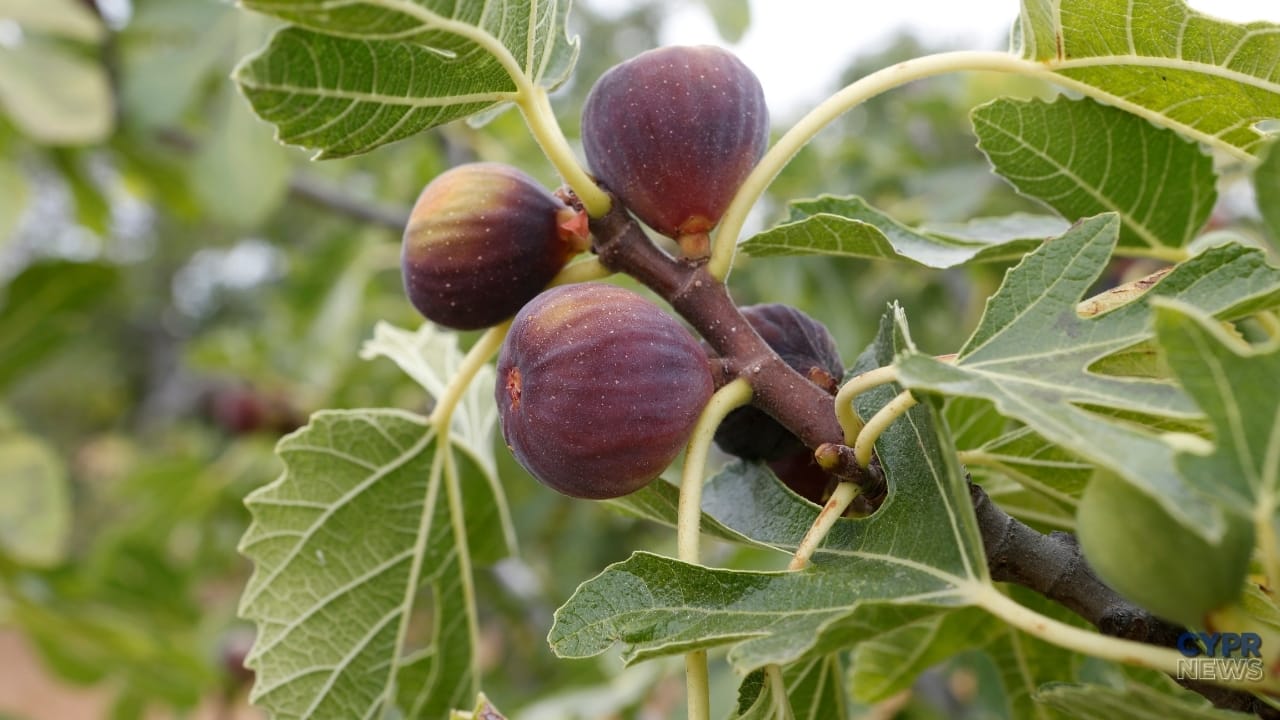
Cypriot figs don't have to be purple. Green, green-brown, brown, purple, and even almost black figs can be found on store shelves. The difference in color doesn't just indicate different stages of ripening – the island has long had many varieties of figs, varying in color, size, and shape.
September is a great time to see this diversity. The official Visit Cyprus guide lists August and September as the ripening period for green and purple figs, while traditional figs from the Tillyria region are processed from July to September.
Our video clearly shows how different fruits can be when sold next to each other.
There are light green figs, green figs that fade to brown, darker brown figs, and deep purple figs. So don't assume that a green fig is automatically unripe and a dark fig is riper.
The color depends primarily on the variety.
This is what the Cypriot figs we recorded in the store look like:
This is not a new supermarket fad.
The Cyprus Food Museum documents the many traditional types of figs found on the island, some of which were identified by their appearance.
The name is particularly interesting vasanatiThe Cyprus Food Museum describes these figs as having a color similar to eggplant. Other traditional varieties, on the other hand, may remain light green even when ripe and sweet.
This is the most common purchasing trap.
With many fruits, we're accustomed to the fact that the change from green to a darker color indicates ripening. With figs, the situation is more complicated.
Royal Botanic Gardens Kew states that ripe figs may have a skin green, brown or purple. It all depends on the variety.
Therefore, touch is a better guide. A ripe, fresh fig should be soft but not falling apart. Very firm figs usually need more time.
It's also worth remembering that figs are exceptionally delicate. Once ripe, they soften quickly and handle shipping much less well than apples or citrus fruits.
This is where it gets even more interesting.
What we call a fig is, from a botanical point of view, a structure called syconiumInside it are numerous tiny flowers, and later small actual fruits.
In other words, fig flowers are found inside what looks like fruit, and not outside as in the case of apple or peach trees.
It is the characteristic structure of figs that makes their insides look so unusual – they are filled with dozens of tiny structures that we often call seeds.
On the island, figs have long been used in several ways.
They are eaten fresh, dried, made into jams and traditional sweets. The Cyprus Food Museum also lists sycopitta, i.e. a product prepared from figs.
They have a special tradition figs from TillyriaThe local Koutsino variety is left to ripen thoroughly, then the fruit is harvested, exposed to sulfur smoke, and sun-dried for about 7–10 days. This is how traditional Tillyria dried figs are made.
In the Paphos region, however, there are known maxilles – another traditional way of preparing dried figs, particularly associated with Lysos.
It's worth paying attention to them now.
The official tourist guide of Cyprus lists August and September are the months when green and purple figs ripen.
That's why in September, a shelf of local fruit might look a bit like the one in our video – figs lying next to each other, at first glance appearing to be in completely different stages of ripening.
And often they are just different varieties.
Next time, instead of choosing only the darkest ones, it's worth trying the green ones as well. You might just find them to be the sweetest.
Sources: Cyprus Food Museum, Department of Agriculture Republic of Cyprus, Visit Cyprus, Royal Botanic Gardens Kew.