Supported by


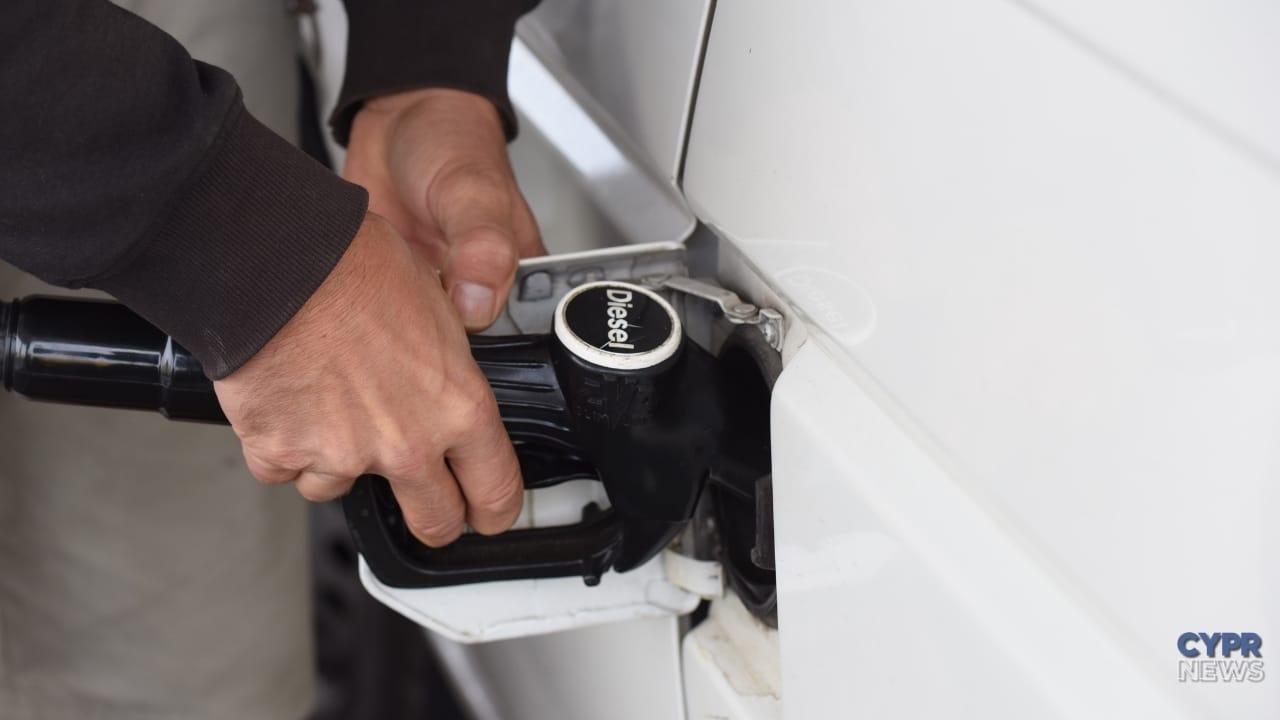
The Cypriot Parliament unanimously extended the reduced fuel tax until November 30, 2026. The decision applies to petrol and diesel fuel and comes into effect on Friday, September 18, immediately after the previous relief expires.
The excise tax reduction amounts to 8.33 cents per liter. Its extension does not automatically reduce prices at the pump, but it prevents a tax increase that could occur after the current program ends.
The government's bill was submitted to parliament as a matter of urgency and passed unanimously. The current tax relief was valid until September 17th, so without the new law, the reduced rates would cease to apply on Friday.
The extension includes:
However, it does not apply to heating oil. Some MPs called for similar relief to be extended to home heating fuel before the winter season.
The most important information is that fuel prices will not increase now solely due to the return of the previous excise tax rate.
The tax reduction is 8.33 cents per liter. Because VAT is also charged on the amount that includes excise duty, the total impact of the reduction on the retail price may be greater. At a VAT rate of 19%, the difference is approximately 9.9 cents per liter, if the entire tax change is passed on to the client.
In the case of filling 50 liters of fuel, this means a difference of approximately 4.95 euros.
This doesn't mean, however, that prices are frozen. Prices displayed on gas stations' pylons may continue to rise or fall depending on international oil and finished fuel prices, transportation costs, exchange rates, and the pricing policies of individual chains.
The extension of the tax credit maintains the current tax level, rather than introducing a further reduction. Therefore, drivers should not expect that gasoline and diesel prices will automatically drop by 8.33 cents from September 18th.
If Parliament fails to pass the bill, the current reduction would expire, creating a basis for price increases. The adopted regulation aims to prevent this at least until the end of November.
The final price at a particular station may differ by as much as a few cents from the rates offered by competitors. Therefore, it's worth checking current prices in your region before filling up.
The Ministry of Finance will continue to monitor the situation in the international energy market. If high prices persist, the government has not ruled out extending the reduced excise tax beyond November 30th.
However, a decision has not yet been made whether the tax relief will remain in effect until the end of the year or become permanent. Any further extension will depend on the economic situation, energy prices, and the state budget's capabilities.
Some MPs called for the reduced rate to be permanently maintained, arguing that the island's residents are heavily dependent on private cars because the public transport system does not provide sufficient alternatives everywhere.
During the debate, the issue of charging VAT on prices that already include excise tax has resurfaced. Critics have described this mechanism as a "tax on a tax" and are calling for its abolition.
However, the chairwoman of the parliamentary finance committee, Christiana Erotokritou, explained that, in accordance with applicable EU regulations, the VAT calculation base also includes fees, customs duties and other taxes.
Any change would therefore require taking into account European regulations and the consequences for the state budget.
The debate also included demands to maintain reduced VAT on electricity, introduce relief for heating oil and reduce the costs associated with the future extension of the European Emissions Trading System to road transport.
For now, however, drivers are only certain about one thing: The reduced excise tax on petrol and diesel will remain in force until November 30, 2026.
Sources: House of Representatives of the Republic of Cyprus; Cyprus News Agency.