Supported by


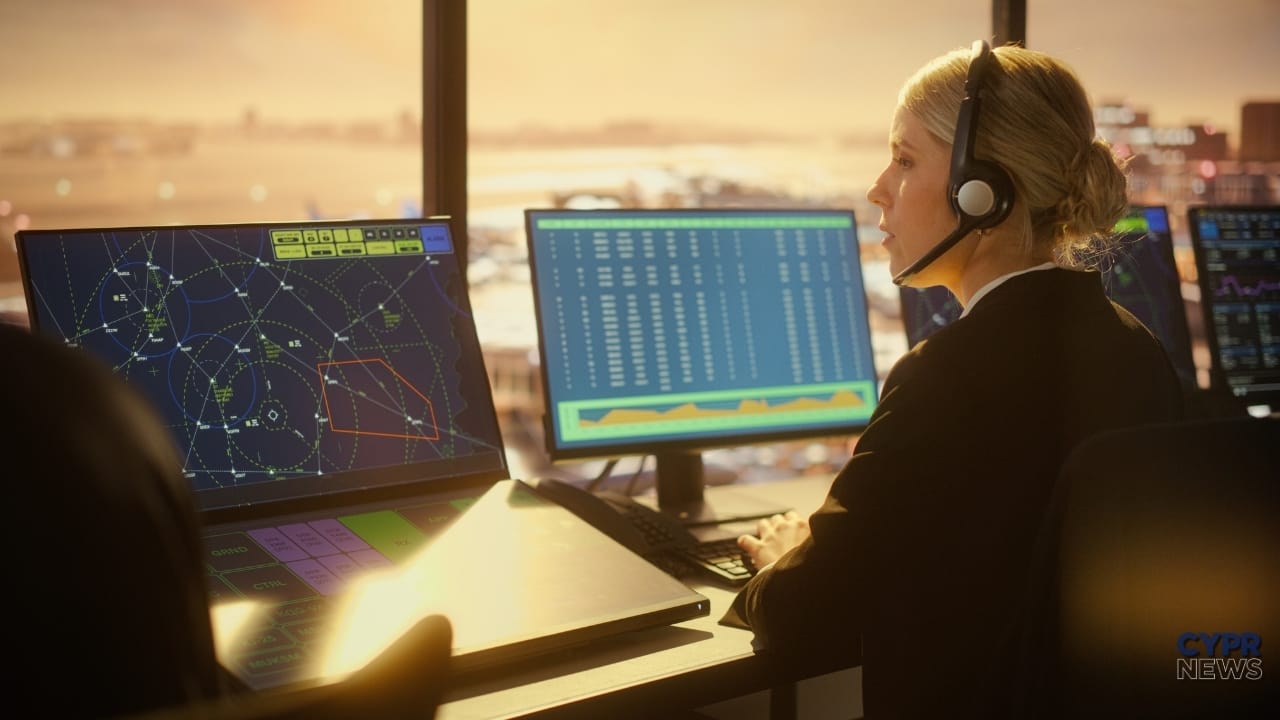
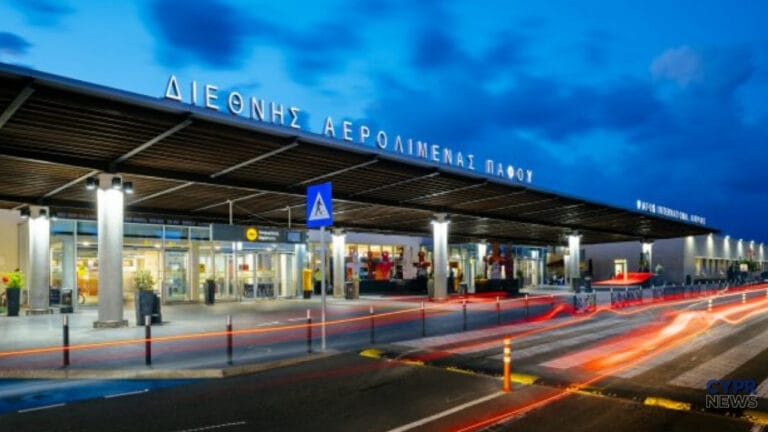
At the Cypriot air traffic control centre, approximately 90 of the 140 positions needed are filled. Air traffic controllers warn that without the rapid hiring and training of additional staff, delays may occur at Cypriot airports from the summer of 2027.
This doesn't mean that flights to Larnaca and Paphos are currently suspended or deemed unsafe. Flights are operating normally. However, unions point to increasing workloads, staff shortages, and additional threats posed by uncoordinated military and drone flights in the Nicosia FIR.
The issue was discussed during a closed joint meeting of the parliamentary defense and transport committees. The meeting was also attended by Defense Minister Vasilis Palmas and Transport Minister Vafeades Evy Tsolaki.
According to information presented after the meeting, the air traffic control center needs approximately 140 controllers. Currently, approximately 90 are employed, resulting in a shortfall of up to 50 people.
The process of filling another 15 positions is underway. However, this will not solve the entire problem, especially since the number of flights through Cypriot airports has increased significantly in recent years.
Air traffic controller preparation doesn't end with recruitment. Candidates must undergo specialized training, exams, and practical preparation for their specific position. Therefore, filling these gaps takes time.
The Pan-Cyprus Air Traffic Controllers Union PASEEK has warned that serious staffing shortages could start to translate into flight delays from the summer of 2027.
The problem isn't limited to the main control center. Shortages are also expected to occur:
According to the union, the approach control radar cannot operate 24 hours a day due to insufficient staffing.
The warning does not mean that a specific schedule of delays has been established or that a reduction in the number of connections has been announced. It is the union's forecast of what could happen if staffing levels are not increased by next summer.
During the parliamentary discussion, it was emphasised that Cypriot airspace should not be presented as a place where every passenger plane is in immediate danger.
Currently, no restrictions have been announced on passenger flights to Larnaca or Paphos, nor has there been an announcement advising passengers not to travel.
However, auditors indicate that they are working under increasing pressure. With fewer staff available, it is more difficult to organize schedules, ensure 24-hour staffing, and respond to emergencies.
An additional problem is posed by Turkish military aircraft and unmanned aerial vehicles that are reportedly appearing in the Nicosia FIR without an agreed flight plan and without direct communication with the Cypriot control center.
The air traffic controllers' union says the frequency of such operations has increased. A lack of two-way communication means air traffic controllers may have limited knowledge of the intentions of a military aircraft crew or drone operator.
PASEEK Chairman Giorgos Georgiou recalled the incident of August 19. According to the association, a Turkish military Airbus A400 entered the Nicosia FIR without communication and contrary to the flight plan, approaching the route of a Boeing 737 passenger plane.
The details of this incident are based on the Air Traffic Controllers Association's position. A complete technical report has not been publicly released to independently assess the distance between the aircraft or the level of threat.
FIR, or Flight Information Region, is a designated area in which a given country is responsible for providing flight information and alerting services.
The Nicosia FIR covers an area much larger than the Republic of Cyprus itself and is of great importance for traffic between Europe, the Middle East and North Africa.
The FIR is not exactly the same as national airspace. It primarily defines responsibility for managing and coordinating air traffic. Aircraft operating in this region must submit flight plans and maintain required contact with the appropriate services.
The situation is further complicated by the lack of direct cooperation between the control center in Nicosia and the services operating in the north of the island and in Turkey.
Cypriot air traffic controllers emphasize that this is not a new problem. The European organization ATCEUC, representing over 16,000 air traffic controllers, reportedly warned about the dangers of a lack of coordination back in 2012.
According to PASEEK, no technical solution enabling direct communication with Ankara has been implemented over the years. Therefore, the burden of responding to unforeseen aircraft movements still rests with controllers based in Nicosia.
The union is also demanding a response from ICAO, the International Civil Aviation Organization, and the EU aviation safety agency EASA.
The authorities have announced plans to strengthen and modernize air traffic management systems by 2030. However, controllers believe that simply replacing technology will not be enough without a sufficient number of trained employees.
One proposed solution is to establish a state-owned company responsible for air navigation services. The idea was first conceived in 2013, and the relevant law was adopted in 2019.
According to PASEEK, the company's articles of association, founding documents, five-year business plan, employment rules, and collective agreement have already been prepared. However, the company has not yet commenced operations.
The union claims the new structure would allow for faster hiring and training of the 40 to 60 additional auditors needed by 2030. MPs intend to ask the Ministry of Finance what stage the project is at.
The coming months will reveal whether recruitment and organizational changes will be implemented quickly enough. For now, there's no basis to suggest passengers should avoid flights to the island. The warning primarily concerns future system capacity and the risk of delays if staffing shortages aren't addressed.
Sources: Cyprus News Agency; House of Representatives of the Republic of Cyprus; PASEEK.