Supported by


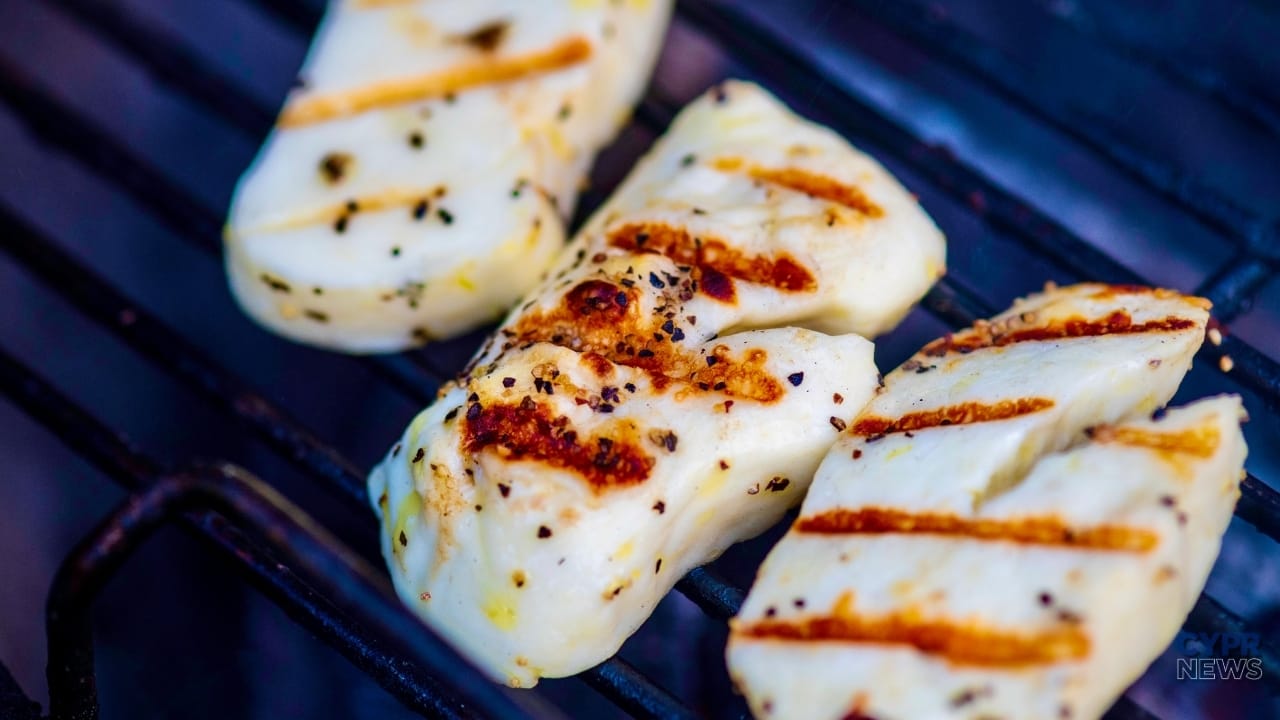
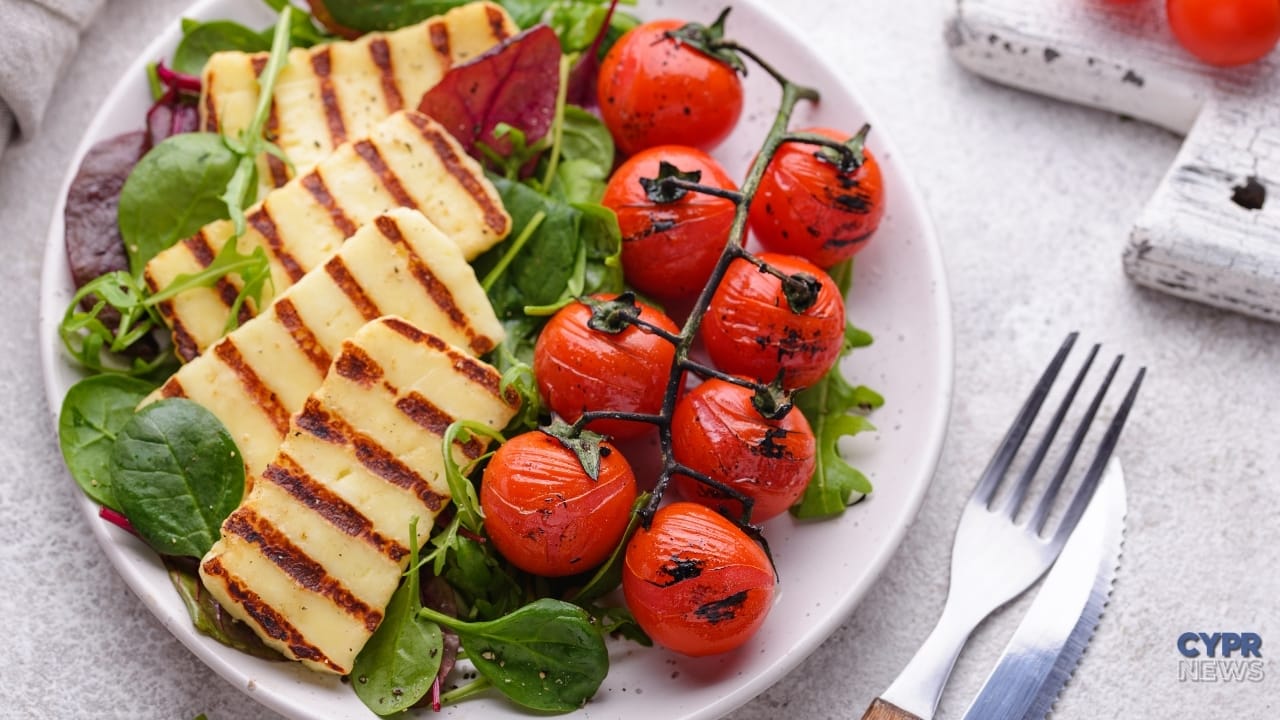
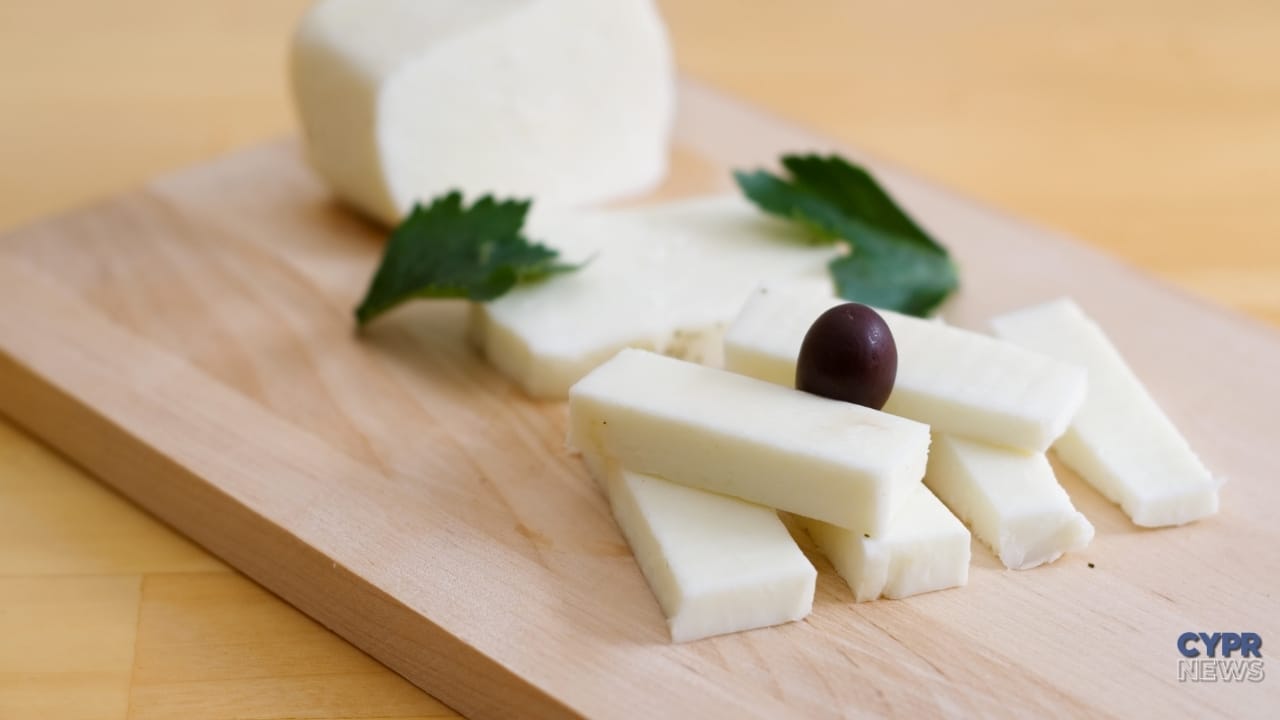
Halloumi cheese is one of Cyprus' most recognizable products. It can be found in village bakeries, supermarkets, taverns, and hotel restaurants. Cypriots eat it raw, fry it, grill it, add it to sandwiches, salads, and traditional pastries, and in summer, enjoy it with watermelon.
Its characteristic salty flavor, springy texture, and delicate mint aroma are no accident. Halloumi undergoes a unique production process, during which the already-cooked curd is reheated in hot whey. This step prevents the cheese from melting in the pan and allows it to make a characteristic "creaking" sound when eaten.
Two names are used on the island: Greek Χαλλούμι – Halloumi and Turkish HellimThe product is part of the culinary heritage of both Cypriot communities.
In 2021, the name Χαλλούμι/Halloumi/Hellim was entered into the EU register of protected designations of origin. PDO, in Polish PDO – Protected Designation of Origin, means that within the European Union the name may be used for cheese produced in Cyprus in accordance with the approved specification.
It's not enough to produce a grillable white cheese in another country. It may resemble the Cypriot product, but it shouldn't be sold in the EU as halloumi if it doesn't meet the requirements for a protected designation.
Historical descriptions of cheese produced in Cyprus date back to the 16th century. Halloumi was particularly useful in a time before refrigeration. Salt, storage in whey, and subsequent maturation allowed the product to be preserved for longer.
Traditionally, halloumi was made primarily from sheep and goat milk. The animals thrived in the dry Cypriot climate and could be raised even in regions where maintaining large herds of cattle was difficult.
With the development of industrial production, cow's milk began to be used more widely. Today, labels feature halloumi made with various milk proportions:
The type of milk influences the cheese's flavor, aroma, fat content, and texture. Halloumi with a higher percentage of sheep's or goat's milk tends to have a more pronounced character. Products containing more cow's milk may be milder and more uniform.
Production begins similarly to many other cheeses. Milk is filtered, heated, and combined with rennet, which causes it to curdle.
The resulting curd is cut into smaller pieces. It is then reheated, stirred, and separated from the liquid whey. The curd mass is placed in molds and pressed to remove more liquid.
At this point, the normal cheesemaking process would essentially be complete. However, in the case of halloumi, the most important step comes.
The formed pieces of cheese are placed in hot whey and reheated. Traditionally, they remain there until they are cooked to the point where they float to the surface.
After being removed from the oven, the cheese is cooled, salted, and sprinkled with fresh or dried mint. The pieces are then folded in half. This is where the characteristic, folded shape of halloumi sold in Cypriot shops comes from.
The finished cheese can be packaged fresh or placed in salty whey to mature. <div style=”margin:28px 0;font-family:Manrope,Arial,sans-serif;”> <div style=”display:grid;grid-template-columns:repeat(auto-fit,minmax(260px,1fr));gap:12px;”>
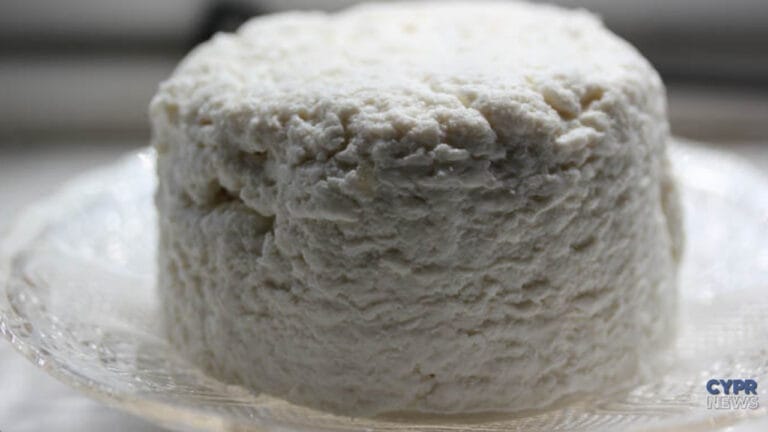
The liquid remaining after separating the curds does not need to be discarded. In Cyprus, it is used to prepare anari, i.e. a delicate whey cheese.
The whey is reheated. The proteins within it begin to form small clumps that float to the surface. These clumps are skimmed and drained, and in some production methods, a small amount of milk is also added.
Fresh anari has a mild flavor and a soft texture. It can be enjoyed with honey, carob syrup, or fruit, or used as a filling for Cypriot pastries. It also comes in salted and dried varieties, which are much firmer and can be grated into pasta.
The production of halloumi and anari is therefore directly linked. First, halloumi is made from milk, and then a second cheese can be made from the remaining whey.
Halloumi isn't completely heat-resistant. It softens when exposed to heat, and its surface browns and caramelizes. However, it doesn't quickly turn into a liquid mass like mozzarella or yellow cheese.
This is primarily due to the compact structure of the proteins formed during production. Recooking the formed pieces in hot whey strengthens their structure. The cheese's relatively low acidity also plays a role.
This allows you to place a slice of halloumi directly on a grill or dry pan. The outside will brown, but the center will retain its shape.
It's best to cut cheese into fairly thick slices. Very thin slices can quickly dry out and become hard.
The characteristic squeaking sound doesn't mean the cheese contains plastic or is stale. The sound is created when the elastic network of proteins rubs against the surface of the teeth.
Fresh halloumi usually has the most "squeaky" flavor, especially after being heated briefly. The sensation may be less pronounced in more mature cheeses, those heated for a longer period, or served with moist accompaniments.
Not every product will squeak equally. This depends on the milk's composition, production method, humidity, temperature, and length of storage.
Mint is one of the most characteristic elements of traditional halloumi. Fresh or dried spearmint leaves are most often used.
It adds a distinctive aroma to cheese, but historically it also had practical significance. In times of limited refrigeration, it was valued as an ingredient that helped preserve the product's freshness.
Mint can be seen between the folded sections of the cheese or directly in the brine. Therefore, small green fragments are not an accidental addition or a sign of spoilage.
There are two basic types of halloumi in Cyprus.
Fresh halloumi It's more elastic, moist, and softer. It has a milky flavor, a distinct mint aroma, and is usually the one that squeaks the most when bitten.
Ripe halloumi It remains in the salty whey for at least 40 days. It becomes harder, more compact, and significantly saltier. It also has a more intense flavor.
Mature cheese doesn't need to be eaten immediately after removing it from the packaging. If it's too salty, you can soak it in cold water for a while. The soaking time depends on the type of product and the desired flavor.
Grilling is currently one of the most well-known ways to prepare halloumi, but not the only one.
In Cyprus, cheese is also eaten:
The popular halloumi fries today are a modern way of serving the cheese rather than an ancient Cypriot custom. Traditional cuisine used the product much more simply, often pairing it with bread, tomato, cucumber, or watermelon.
Halloumi provides protein and calcium, but is also relatively high in salt and fat, including saturated fat.
Nutritional values vary depending on the manufacturer, type of milk, and degree of ripeness. Therefore, instead of relying on a single table found online, it's best to check the label of the specific package.
Those restricting their salt intake should pay particular attention to its salt content. Briefly soaking the cheese may reduce the saltiness, but it will not transform halloumi into a salt-free product.
Halloumi is a dairy product, so it's not suitable for people with milk protein allergies. Don't automatically assume that every cheese is suitable for vegetarians. The type of rennet used should be specified by the manufacturer.
When shopping, it is worth looking for the full protected name on the packaging. Χαλλούμι/Halloumi/Hellim and the EU Protected Designation of Origin symbol. The label should also indicate Cyprus as the place of production.
Also worth checking out:
The term "grilling cheese" or "grilling cheese" does not mean that we are dealing with real halloumi.
Its international popularity has led to halloumi being perceived primarily as a cheese that doesn't melt on the grill. However, in Cyprus, its importance is much greater.
This product is linked to sheep and goat breeding, Cypriot village life, and ancient food preservation methods. Its folding, salting, mint addition, and storage in whey are not marketing tactics, but elements of the traditional production process.
That's why true halloumi isn't just another white cheese. It's one of the island's most distinctive flavors and a product whose history allows us to better understand Cyprus itself.
Sources: European Commission, eAmbrosia EU Register of Geographical Indications, European Commission Implementing Regulation on Χαλλούμι/Halloumi/Hellim, Ministry of Agriculture of the Republic of Cyprus.