Supported by


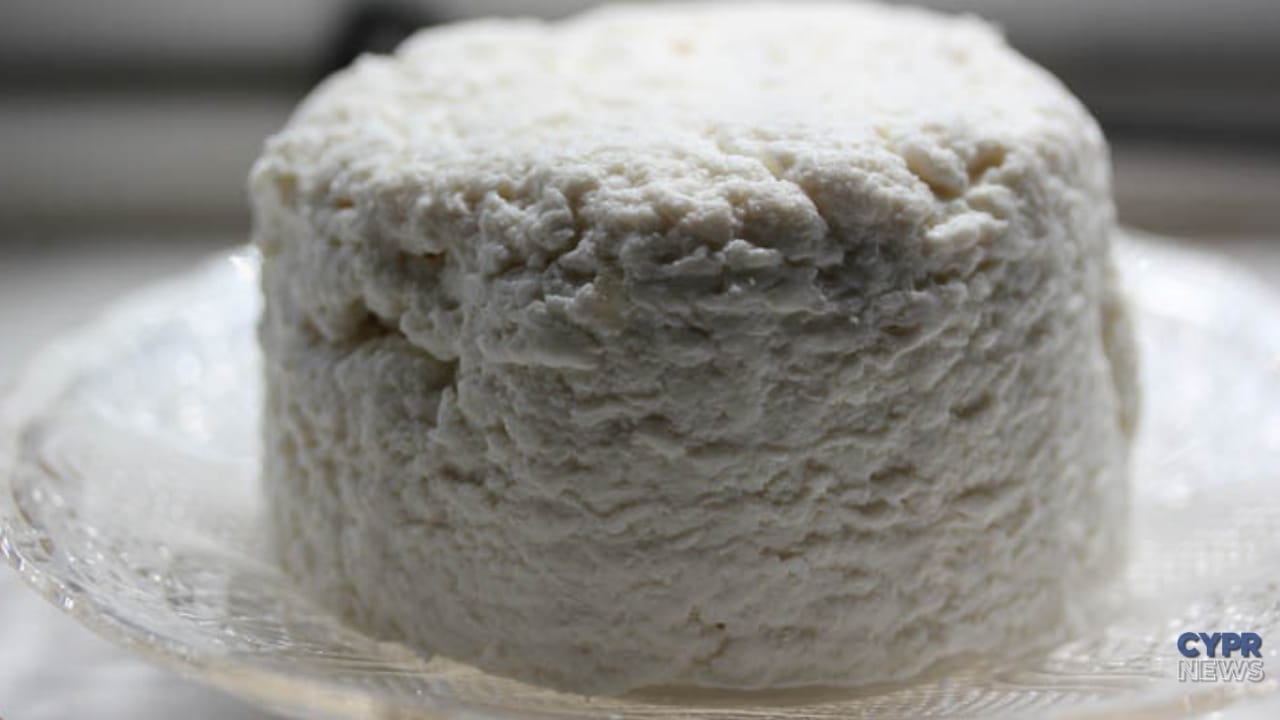
Anari cheese is overshadowed by the much more famous halloumi, although the two Cypriot products are directly related. When the curds for halloumi are separated from the milk, the whey remains in the vat. Cypriots reheat this whey, resulting in a delicate, white cheese with a mild flavor.
Fresh anari can be served with honey, carob syrup, fruit, or used as a filling for traditional baked goods. Once salted and dried, it changes almost beyond recognition – it becomes hard, intense, and suitable for grating into pasta. Thus, one name encompasses two distinctly different products.
The basic raw material used to produce anari is whey, the liquid remaining after curdling the milk and separating the cheese mass.
In Cyprus, this is most often the whey left over from making halloumi. It contains water, lactose, minerals, and proteins that didn't previously enter the curds.
Instead of pouring off the remaining liquid, it is reheated. At this high temperature, the proteins in the whey begin to combine and float to the surface in delicate white clumps.
It is from them that anari is made.
A small amount of sheep, goat, or cow's milk can be added to the whey. This increases the yield of the cheese and influences its flavor, fat content, and consistency.
After the halloumi curds are removed, the whey remains in a large vessel or vat. It is gradually heated, reaching temperatures exceeding 90 degrees Celsius during traditional production.
When exposed to high temperatures, whey proteins begin to form tiny clumps. Initially, these clumps are almost invisible, but over time, they coalesce into larger, softer flakes and float to the surface.
The cheese is carefully collected using a slotted spoon or a special strainer. It is then placed in perforated containers, baskets, or cloth bags to drain excess liquid.
Draining time depends on the product being made. Anari intended for quick consumption remains soft and moist. Cheese intended for drying is drained more thoroughly, salted, and left to lose its moisture. <div style=”margin:28px 0;font-family:Manrope,Arial,sans-serif;”> <div style=”display:grid;grid-template-columns:repeat(auto-fit,minmax(260px,1fr));gap:12px;”>
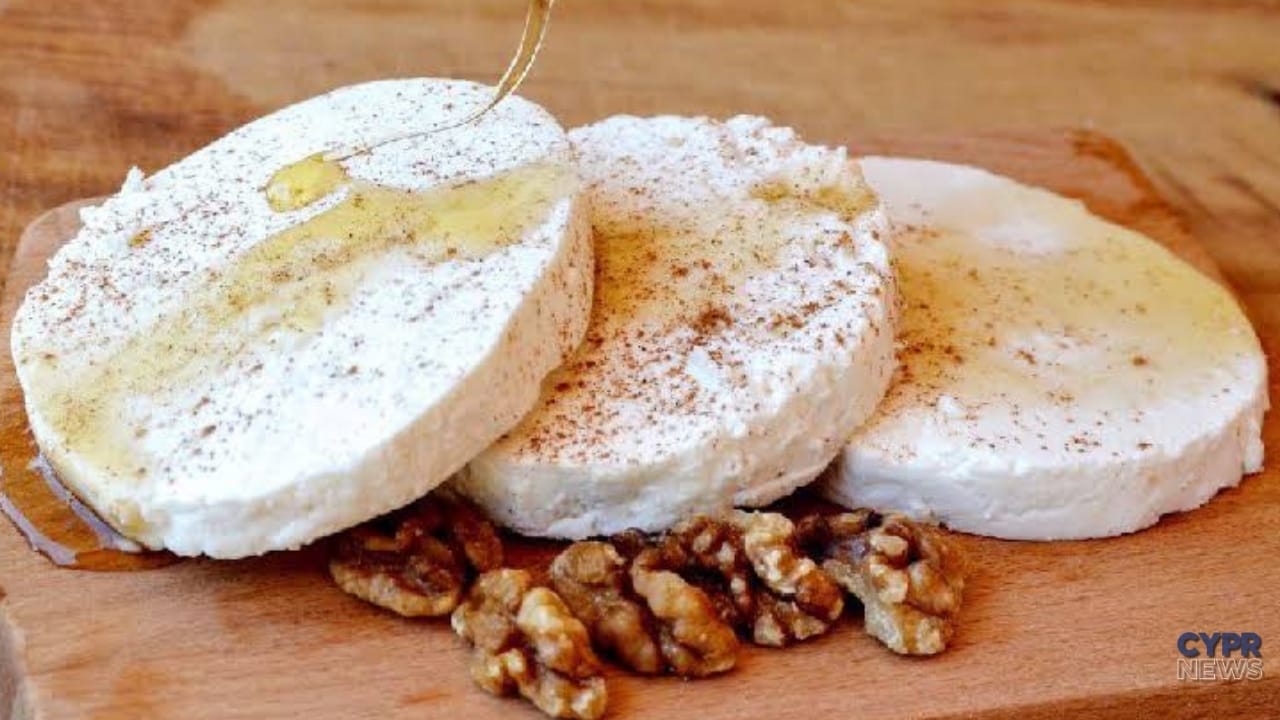
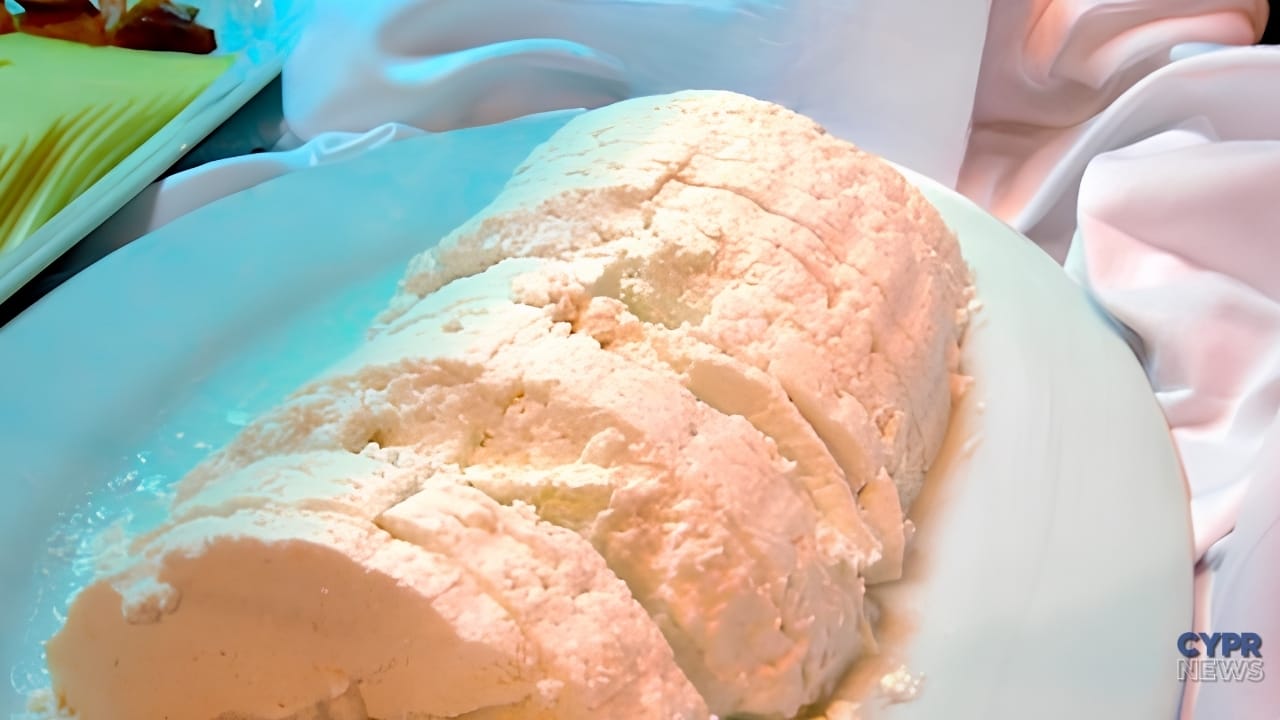
The most delicate variety is fresh, unsalted anari, called in Greek ανάλατη αναρή – analati anariIt has a white color, a moist texture, and a very mild, slightly milky flavor.
However, it's not a dessert in itself. It's the way it's served that determines whether it becomes part of a sweet breakfast, a snack, or a savory dish.
In Cyprus, fresh anari is often served with:
You can also buy fresh anari with added salt. This version is suitable for sandwiches, salads, baked goods, and savory fillings.
The flavor of fresh anari is much milder than that of halloumi. It also lacks the characteristic springiness and creaking when bitten.
If fresh anari is salted and dried, it loses much of its moisture. The soft, delicate cheese yields a firmer product with a much more concentrated and salty flavor.
Dried anari can be so hard that instead of cutting it with a knife, it is grated.
Cypriots use it, among others, as an addition to:
In this respect, it serves a similar function to hard cheeses used in other Mediterranean cuisines. However, don't expect a Parmesan-like flavor. Dried anari retains its own Cypriot character and distinct milky-salty notes.
One of the most famous uses of fresh cheese is bourekia me anariThese are small fried or baked dumplings filled with anari.
In the sweet version, the cheese is usually combined with sugar, cinnamon, and sometimes rosewater or orange blossom water. After frying, the bourekia may be dusted with powdered sugar.
Anari is also used in cakes, pancakes, and other sweet baked goods. Its mild flavor pairs well with honey, carob, citrus, and spices.
The salted version can be used in savory pancakes, stuffings, and pasta dishes.
Anari is sometimes compared to Italian ricotta, as both products are made primarily by reheating whey. They also share similarities in light color, delicate flavor, and soft texture.
This doesn't mean, however, that the names are interchangeable. Anari is a traditional Cypriot product, associated with the local method of making halloumi and used in specific dishes on the island.
Differences may include the type of whey, the milk used, the production temperature, the amount of additional milk, the degree of drainage and subsequent salting and drying.
The simplest way to say it is that anari and ricotta belong to the same family of whey cheeses, but they are not exactly the same product.
Fresh anari doesn't behave in a hot pan like halloumi. It's delicate, contains a lot of moisture, and crumbles easily. It also hasn't undergone the same recooking process that gives halloumi its firm, springy texture.
Therefore, anari is better suited for spreading, crumbling, mixing with fillings or serving directly with toppings.
If it is to be used in a warm dish, it is worth placing it in a cake, casserole or sauce rather than placing it directly on the grill.
Fresh, unsalted anari may contain less salt and fat than many hard cheeses. It also provides protein and minerals from milk.
However, there is no single nutritional table for every anari. The composition depends on, among other things, the type of whey used, the amount of milk added, the degree of drainage, and whether the cheese has been salted.
Dried anari will be more concentrated and usually significantly saltier than the fresh, unsalted version. It's best to check the values listed on the specific product packaging.
Anari is a dairy product, so it's not suitable for those with a milk protein allergy. Those with lactose intolerance should also exercise caution, as whey contains lactose.
Fresh anari contains a lot of moisture and is perishable. It should be stored in the refrigerator, in a closed container, according to the temperature and shelf life specified by the manufacturer.
Once opened, it's best to use them as soon as possible. Any change in odor, color, or the appearance of slime or mold indicates that the product should not be eaten.
Dried anari is much more durable, but should also be protected from moisture and stored according to the information on the label.
Anari exemplifies the ancient approach of using every available ingredient in food preparation. After halloumi was produced, valuable proteins remained in the whey, so it was reheated to obtain a new product.
The same process resulted in two completely different cheeses. Halloumi was firm, salty, and suitable for long-term storage. Anari remained soft and delicate, or, when dried, became a firm addition to everyday dishes.
Although anari is still much less well-known than halloumi outside the island, in Cyprus it remains one of the most versatile products of traditional cuisine.
Sources: Cyprus Food and Nutrition Museum, Ministry of Agriculture of the Republic of Cyprus, publications on traditional Cypriot dairy products and information from dairy producers.