Supported by


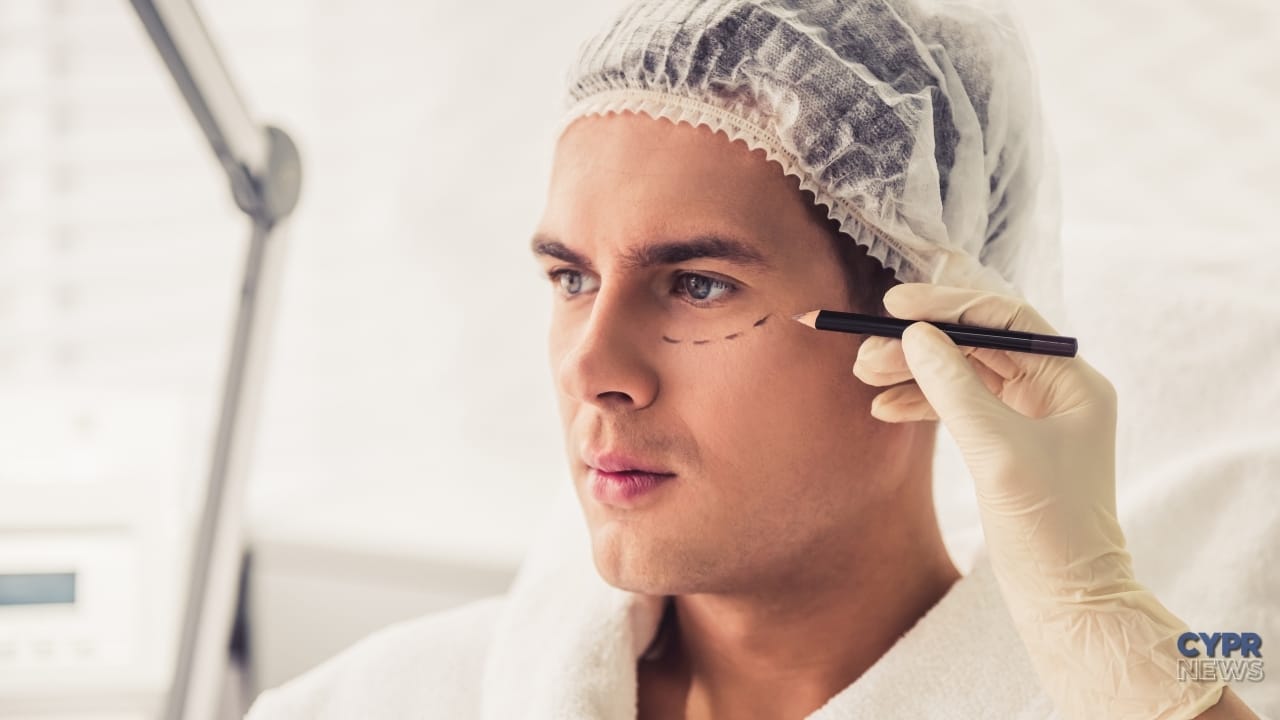
The Cyprus Association of Beauticians urges everyone to check both the license of the facility and the qualifications of the person performing the treatment before using the services of a beauty salon. This warning applies particularly to establishments offering services that may exceed the scope of a beautician's expertise.
Under Cypriot law, no beauty institute can operate without a proper license. The association also reminds us that invasive medical procedures are not part of the professional scope of a beautician's profession and cannot be performed solely under a beautician's license.
The principles of operation of the industry are defined by the Cypriot Law on the Registration of Beauticians 40(I)/1999, as amended.
The body responsible for overseeing the profession is the Beautician Registration Council. Its responsibilities include:
In practice, this means that two distinct elements are important. Both the salon itself and the person providing the service must be legally operating. A salon license does not automatically authorize every employee, and a professional beautician license does not allow them to perform any treatment.
The Association emphasizes that the services offered by salons must fall within the professional scope of a beautician as defined by law. They cannot include activities reserved for other regulated professions.
Invasive procedures are particularly important. If the procedure involves intervention in the body, the administration of a preparation, the need to make a diagnosis, or the use of a medical method, the client should determine who is responsible for performing the procedure and under what authority.
The name itself used in advertising does not necessarily mean that the procedure is a typical cosmetic service. Terms such as "therapy," "renewal," "regeneration," or "aesthetic treatment" do not replace information about the actual procedure or the qualifications of the practitioner.
A professional website, active social media profiles, modern equipment, and positive customer reviews are not proof of having the required permits.
Customers have the right to ask about the facility's license and the details of the person performing the procedure. If the salon avoids answering, refuses to provide documentation, or cannot clearly explain who is responsible for the procedure, the safest course of action is to forgo it.
A similar problem applies to the entire system of monitoring healthcare services and procedures at the intersection of medicine and the beauty industry. The Patient Rights Ombudsman has previously pointed out that the legality of a device or service provider does not automatically mean that every use of the equipment and every service offered is permissible.
If a client suspects that a salon is operating without the required license or is offering services that exceed the competence of the staff, they can contact the Beautician Registration Council to request confirmation of the status of the facility or contractor.
The Association of Beauticians announced that it forwards any reports it receives regarding possible illegal activity, exceeding professional competences and other violations to the Council for investigation.
It is worth keeping any materials that may help clarify the matter: the service advertisement, correspondence with the salon, booking confirmation, invoice, consent form and information about the preparation or device used.
If you experience any disturbing symptoms after your treatment, don't just wait for the salon to respond. Depending on the severity, you should consult a doctor or seek urgent medical attention.
The association describes the operation of unlicensed establishments as a serious public safety problem. It also emphasizes that illegal entities harm beauticians and salon owners who have obtained the appropriate qualifications and bear the costs of operating in compliance with regulations.
The organization announces further support for the legal practice of the profession, compliance with ethical principles and more effective protection of clients.
Sources: Cyprus Beauticians Association; Beauticians Registration Act 40(I)/1999