Supported by


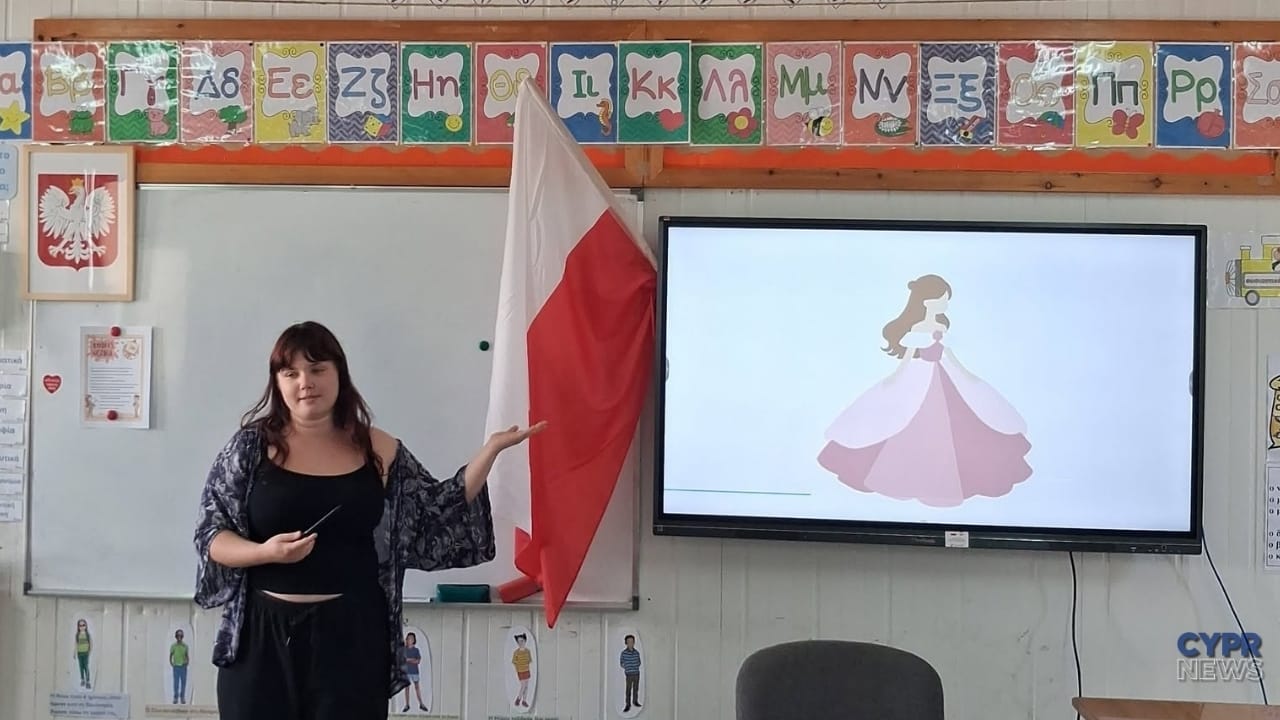
Students of the Polish Language School in Paralimni took part in unique workshops led by Małgosia Gronowska and Mikołaj Chołołowicz – students of the Institute of Musical Arts in Cieszyn, University of Silesia.
There was singing, piano, music by Marek Grechuta, and rhythmic exercises that used the whole body. The meeting demonstrated that learning the Polish language and culture doesn't have to be limited to the classroom.
For the workshops, the Polish school in Paralimni was transformed into a small concert hall. The workshop began with a ceremonial singing of the Polish national anthem, accompanied by live piano.
The students also listened to Marek Grechuta's interpretation of "Days We Don't Know." This encounter with a song by one of Poland's most important artists provided an opportunity not only to engage with the music but also with the language, lyrics, and Polish culture.
The presenters combined elements of the concert with activities in which the children could actively participate.
One of the most important points of the program was learning together the song "Witajcie w nasza bajce" (Welcome to our fairy tale), known to subsequent generations of Poles from the film "Akademia Pana Kleksa" (Mr. Kleks' Academy).
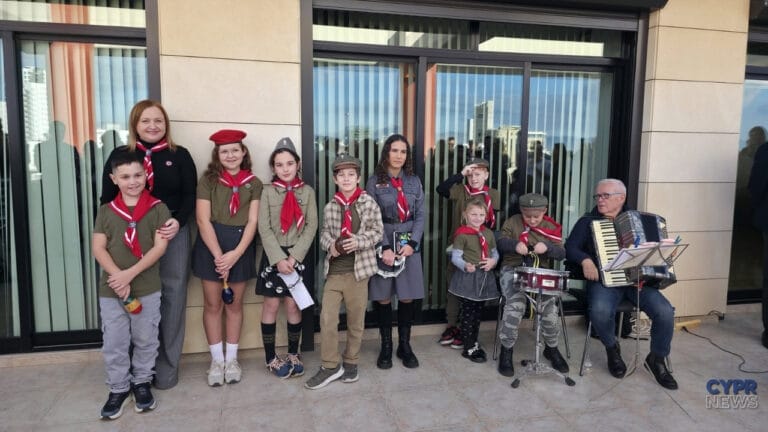
The children were divided into vocal sections and together formed the school choir. They practiced singing, listening carefully to the other groups, and maintaining rhythm by clapping in sync.
It wasn't just about executing the piece correctly. The classes required collaboration, concentration, and responding to the instructor's instructions. This allowed the students to experience how many people and elements must work together to create a cohesive performance.
Students from the Polish Language School in Paralimni sang, practiced rhythm, and created music together with young artists from the University of Silesia.
Mikołaj Chołołowicz also presented a short piano concert. This allowed the children to see the musician at work up close and hear the instrument live, not as a recording played during the lesson.
The workshop concluded with a session on body percussion, which involves creating rhythm using one's own body. Participants used techniques such as clapping, stomping, and striking various body parts with their hands.
This part of the meeting released the most energy, yet required focus, coordination, and cooperation from the entire group. No instruments were necessary—just movement, rhythm, and careful observation of the leaders were enough.
Such events are particularly important for children growing up outside Poland. Language learned through music, play, and collaborative activities becomes a part of everyday life, rather than simply a subject to be learned during weekend classes.
Polish schools operating in Cyprus help children develop their language skills, learn about history and culture, and maintain contact with Polish peers. The workshops, performances, and celebrations they organize complement regular classes and integrate the local Polish community.
Check out Polish schools operating in various parts of Cyprus and information useful for parents of students.
The school thanked Małgosia Gronowska and Mikołaj Chołołowicz for preparing the classes, contacting the students and showing them how diverse the world of music can be.
For the children, it was a day without the typical school desks and notebooks, but still full of learning. Only this time, the Polish language and culture resounded with the piano, the children's choir, and the collective rhythm of the tapping.
Sources: Polish Language School Paralimni