Supported by


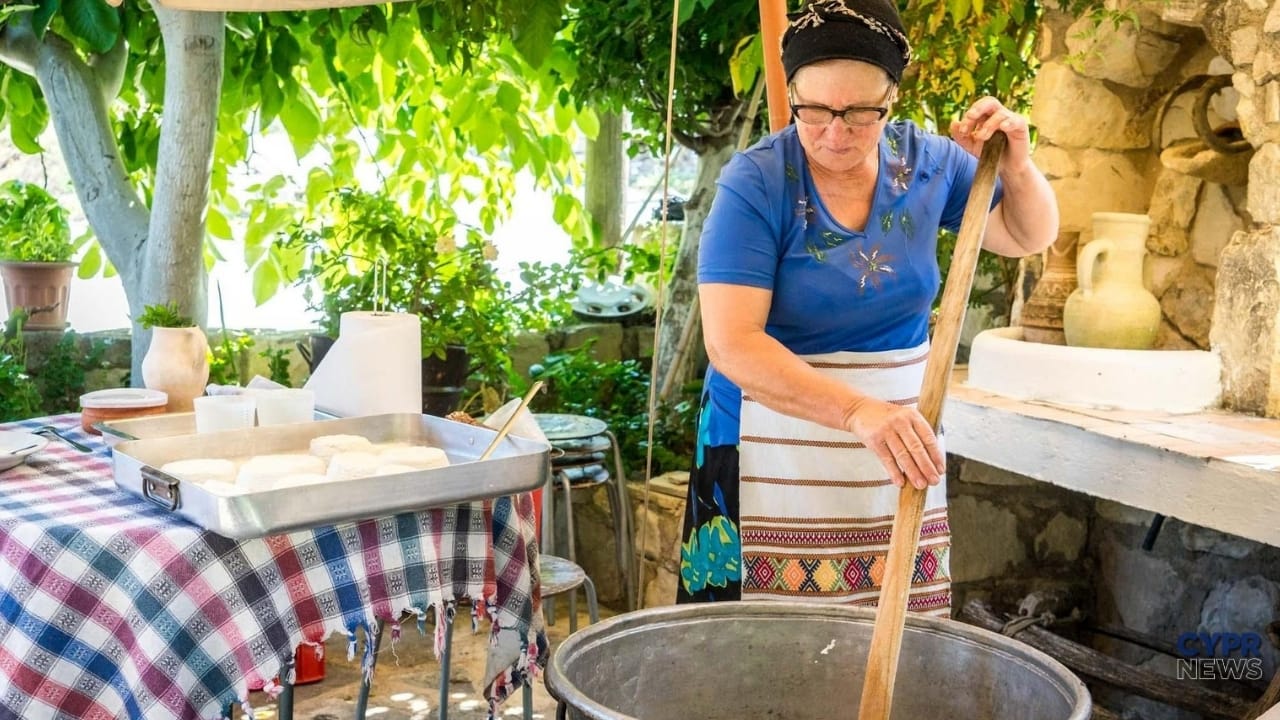
Lovers of Cypriot cuisine have a great reason to head to the mountains on Saturday. On September 19, 2026, the "Back to the Old Days - Flavors of Milk" festival will take place in Flasou., during which you will be able to see how halloumi, anari, trachanas and traditional milk desserts are made.
This won't be your typical festival with ready-made products displayed on tables. Organizers have prepared demonstrations of ancient production methods, traditional milking, tastings, interactive workshops, and demonstrations of Cypriot crafts. The event will begin at 4:30 PM on the grounds of Flasou–Linou Primary School, and admission to all activities is free.
One of the highlights of the program will be a demonstration of traditional halloumi preparation. Visitors will witness the process, starting with milk, then separating the curds, shaping the cheese, and then reheating it in hot whey.
It is this last step that gives the halloumi its springy structure and ensures the cheese retains its shape when grilled or fried.
The finished pieces are salted, sprinkled with mint, and folded in half. The characteristic shape of halloumi is therefore not the result of machine work or packaging alone, but rather part of the traditional production process.
Organizers are also announcing a demonstration of traditional milking. Participants will be able to witness the entire process from milk extraction to finished cheese.
Production doesn't end when the halloumi is removed. The whey remaining in the vessel still contains proteins, which can be recovered by reheating it.
In this way it is created anari – a delicate, white whey cheese. Its fresh version is soft and mild, but after salting and drying, it turns into a hard cheese that Cypriots grate into pasta, among other things.
This stage of production will also be on display during the festival. It's a good opportunity to understand why halloumi and anari are so closely related, even though they differ in taste, texture, and culinary uses.
Halloumi and anari won't be the only products being prepared at the event. The program also includes a production demonstration. trachanas.
This traditional product is made from fermented milk and ground wheat. Once dried, it can be stored for a long time, and in Cyprus, it is most often used to prepare a thick soup, especially popular during the colder months.
Visitors will also see the preparation of:
Some of the workshops will be interactive. Participants will not only be able to observe the work of local residents but also try their hand at preparing selected products.
Throughout the evening, tastings of specialties prepared by local residents will be available.
The stands will feature halloumi, anari, trachanas, homemade pastries, dairy desserts and other local products and preserves.
The festival is therefore an opportunity not only to try ready-made dishes, but above all to learn about processes that usually remain invisible to customers of shops and restaurants.
Fresh halloumi removed from hot whey tastes different than halloumi that has been stored in an airtight container for a long time. Similarly, fresh, unsalted anari differs significantly from its firm, dried counterpart.
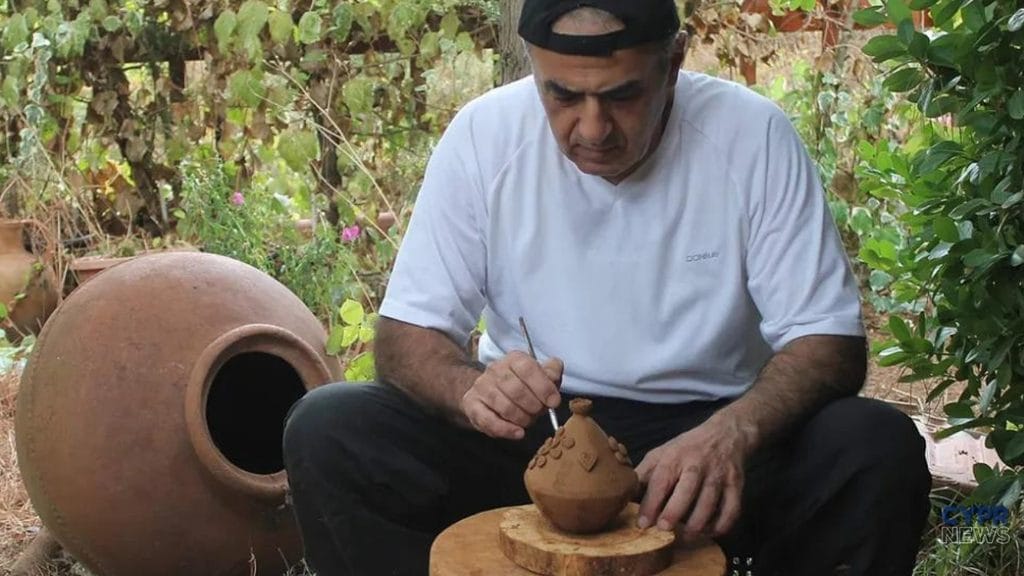
The event's program extends beyond culinary delights. Organizers also want to showcase traditional crafts that were once part of everyday life in Cypriot villages.
Scheduled presentations:
The pithkiavli is a simple Cypriot wind instrument, traditionally made of reeds. Its sound has accompanied the lives of shepherds and rural dwellers for centuries.
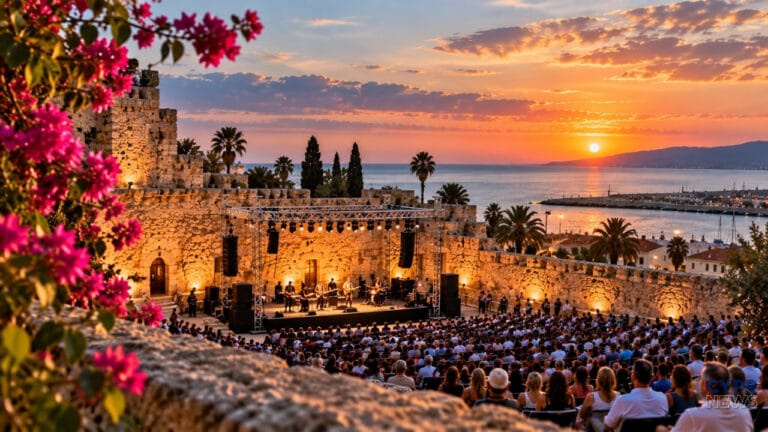
The program will be complemented by concerts, traditional music, and performances by folk groups. The event will last until midnight.
Flasou and neighboring Linou are located in the Solea Valley. The area is known for its mountain villages, orchards, traditional architecture, and routes leading towards the Troodos Mountains.
The festival can therefore be combined with a several-hour excursion through the region. The program itself doesn't begin until late afternoon, so you can visit nearby towns or plan a hike in the mountains beforehand.
However, please note that the event may attract a large number of visitors. It's worth arriving early, especially if you want to find a parking space near the school.
The "Back to the Old Days – Flavors of Milk" festival will offer a glimpse into how milk and whey are used to create products that have been a staple in Cypriot cuisine for generations. For those who only know halloumi and anari from store-bought packages, this could be one of the most interesting culinary offerings of the weekend.
Sources: Visit Cyprus, information from the event organisers.