Supported by


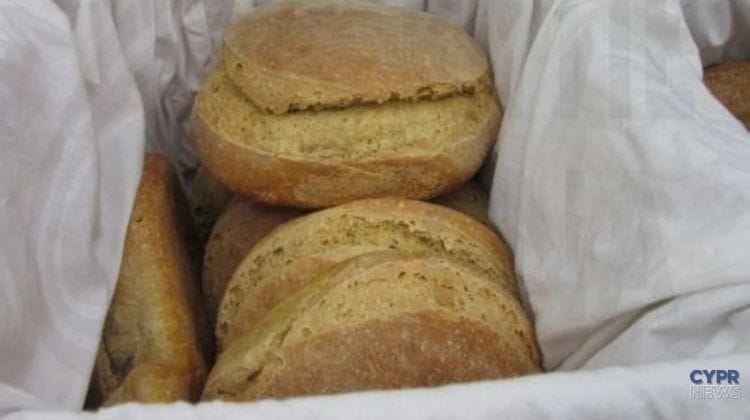
Arkatenos This traditional Cypriot pastry is made with a unique leaven made from fermented chickpeas. August used to be the best time to prepare it – the high temperatures favored fermentation, especially in the villages of the Paphos and Limassol regions.
The basis was Arkatis, a leaven obtained by pouring hot water over chickpeas. Women collected the foam that formed during fermentation and used it to prepare dough for breads and rolls later served at weddings, baptisms, and other family celebrations.
The process is not similar to classic sourdough prepared from flour and water.
First, the chickpeas were fermented in hot water. A characteristic foam appeared on their surface, which became the basis for further dough preparation.
This natural leaven was called Arkatis.
Anna Tselepou, a researcher of Cypriot tradition, points out that the name may come from the word ergati, meaning "worker".
The preparation of arkatis required appropriate conditions.
The high temperatures of August were particularly conducive to chickpea fermentation. This is why this month became the traditional time for making arkatenos.
So this wasn't just a seasonal culinary fad. The timing of preparation stemmed directly from technology used long before the advent of modern yeast and controlled fermentation conditions.
Flour and spices were added to the dough to give the baked goods a characteristic aroma.
Among the traditional additions were: masticha, mahlepi and nutmeg.
Both larger loaves and smaller rolls were made.
Their taste and smell were strongly associated with local celebrations and village life.
Arkatenos was prepared primarily for special occasions.
In the villages of Paphos and Limassol, baked goods were served on the tables during weddings, baptisms and other family celebrations.
They were also served to guests and therefore became part of the traditional system of Cypriot hospitality.
The preparation of arkatis was associated with various local beliefs and customs.
The ability to prepare a good sourdough starter could itself be treated as valuable knowledge.
According to Tselepou, some women kept parts of the process secret. The method of preparing arkatis was passed down from generation to generation, often within families.
It was women who played a key role in preserving this part of the local culinary tradition.
Arkatenos is no longer prepared as widely as it once was.
However, it remains part of the culinary heritage of the Paphos region and other rural parts of the island.
It's also an example of how climatic conditions have influenced local cuisine. The August heat, which today is primarily associated with beaches and air conditioning, once helped create the leavening, without which the distinctive Cypriot baked goods would not exist.
Source: Cyprus News Agency (KYPE)