Supported by


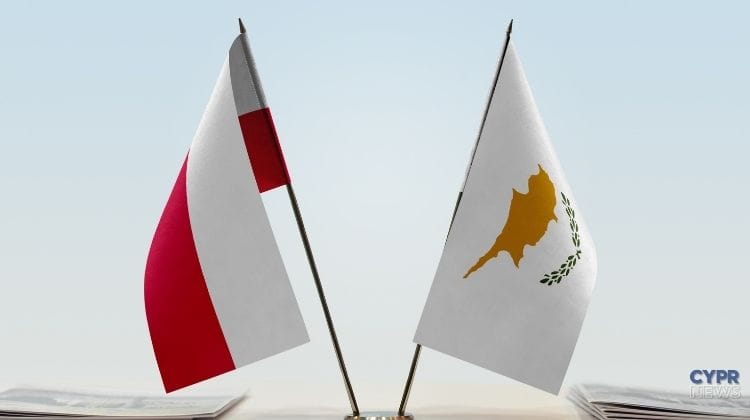
Although Poles are currently one of the largest foreign communities in Cyprus, their ties to the island date back much further. The first documented contacts date back to the Middle Ages, and over the following centuries, pilgrims, soldiers, scientists, and emigrants have found their way to Cyprus. Today, the Polish community is an important part of island life.
The oldest traces of contact between Poland and Cyprus date back to the 14th century. In 1364, King Peter I of Lusignan of Cyprus visited Kraków and participated in the famous feast at Wierzynek, organized by Casimir the Great. This was one of the first documented meetings between the two countries.
In subsequent centuries, Polish pilgrims en route to the Holy Land also passed through Cyprus. The island was an important stop on the route to Jerusalem.
During World War II, Cyprus, then a British colony, became a staging point for the evacuation of Polish refugees and soldiers escaping to the Middle East after the September Campaign. Although most of them did not settle permanently on the island, it was an important chapter in the shared history of both nations.
One of the greatest Polish contributions to understanding the history of the island is the archaeological research conducted since 1965 in Nea Paphos by an expedition of the Centre of Mediterranean Archaeology of the University of Warsaw.
Polish scientists were involved in the discovery of the famous mosaics of the House of Aion and the Villa of Theseus. Their work contributed to a better understanding of ancient Paphos, later designated a UNESCO World Heritage Site.
The Polish community truly flourished after 2004, when Poland and Cyprus joined the European Union. The free movement of people led to an increasing number of Poles deciding to move to the island.
Initially, many found employment in the hotel, restaurant, and construction industries. Over time, they began establishing their own businesses and working in the service, education, finance, and new technology sectors.
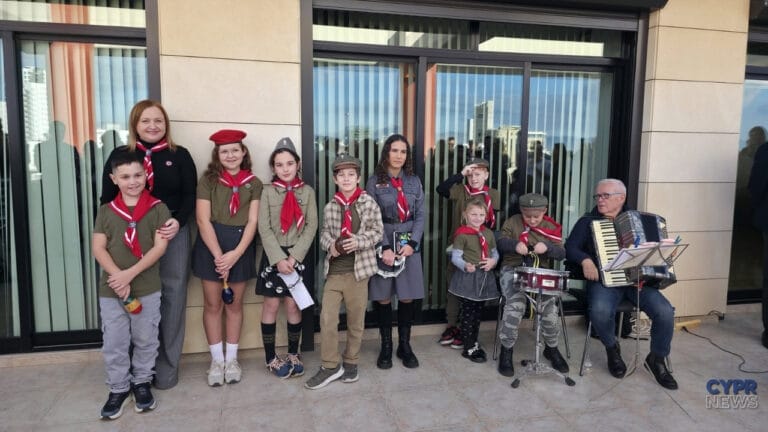
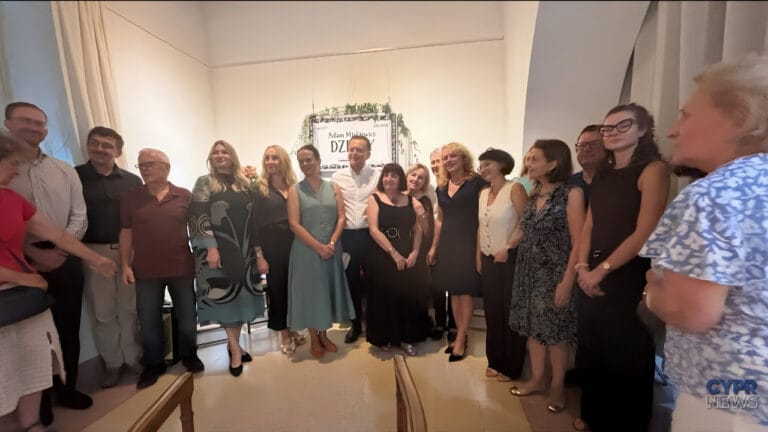
Currently, Poles live primarily in Limassol, Paphos, Larnaca, and Nicosia. Polish shops, Saturday schools, social organizations, and numerous initiatives to integrate Poles have been established.
More and more people are running their own businesses or working for international companies. For many, Cyprus has become not just a place of work but a second home.
It's worth knowing
Poland established diplomatic relations with the Republic of Cyprus January 15, 1961, just a few months after the island gained independence. Poland was one of the first countries to recognize the Republic of Cyprus.
The history of Poles in Cyprus is not just a story of modern emigration. It is also a story of pilgrims, scholars, and people who, over the decades, built ties between Poland and the island. Today, these ties are stronger than ever, and the Polish community in Cyprus is playing an increasingly important role in social and economic life.