Supported by


Unusual summer rainfall and hailstorms have left numerous stagnant water spots in Cyprus, which are conducive to mosquito breeding. Experts warn that with persistently high temperatures, the number of insects could increase rapidly.
The problem is particularly evident in the Nicosia region. City authorities are intensifying their mosquito control efforts, including using drones to inspect and spray hard-to-reach areas. However, according to city services, over 60% of detected nests are located on private properties.
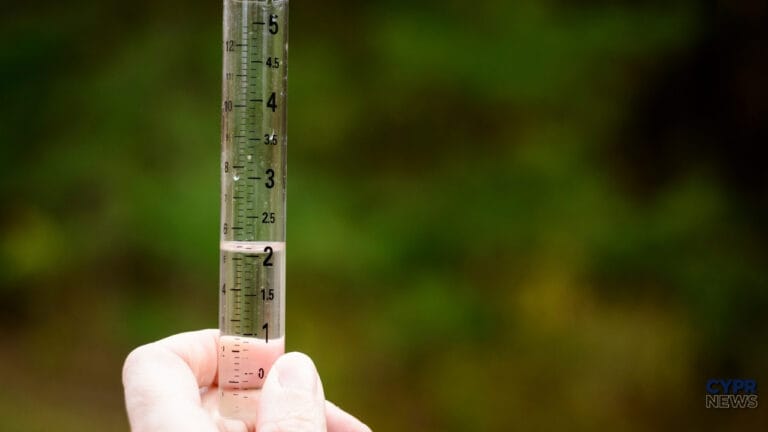
Microbiologist Dr. Petros Karayiannis explained in an interview with the Cyprus News Agency that the August rainfall, including hail in some areas, was an unusual phenomenon. Water remained in previously dry riverbeds, reservoirs, and small depressions, among other areas.
Combined with high temperatures, this creates ideal conditions for larvae to thrive. Mosquitoes need very little water to thrive. Even a flowerpot saucer, a bucket left in the garden, or a clogged gutter can create a habitat.
In Nicosia, many outbreaks were also found in disused swimming pools, outdoor tanks, animal water troughs and items left outside after rain.
City officials remind us that a mosquito's life cycle can last only eight or nine days. This means that water left in a container after a downpour can quickly become a breeding ground for the next generation of insects.
The city has incorporated drones into its mosquito control efforts. The technology allows it to reach areas where traditional spraying is difficult or dangerous.
Inspections and treatments are being conducted on watercourses, canals, and areas near the buffer zone. Activities also cover the areas of Engomi, Kaimakli, Pallouriotissa, and Aglantzia.
However, authorities emphasize that without residents' cooperation, the effectiveness of spraying will be limited. Most detected insect breeding sites are not on public lands, but in gardens, balconies, and backyards.
Services are also prohibited from conducting mass spraying on all private property. Insecticides must be used in a controlled manner, with consideration given to the safety of people, animals, and the environment.
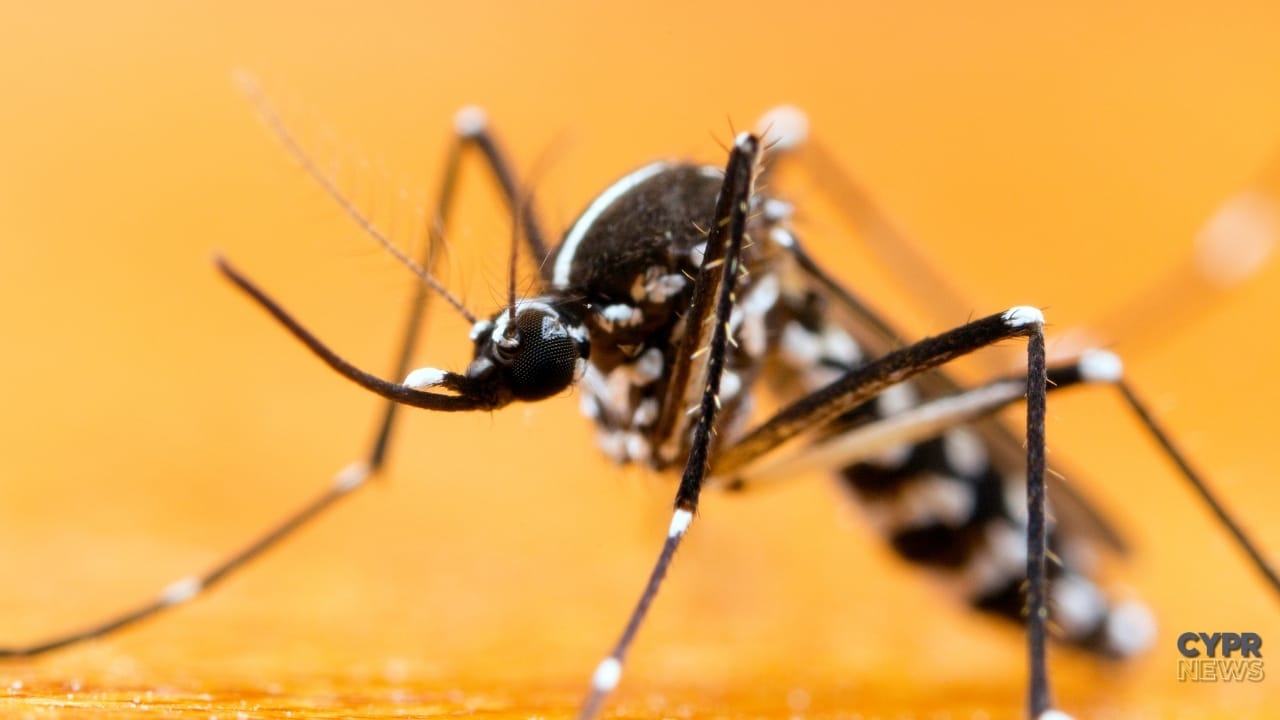
Experts confirm the presence of the tiger mosquito. This species can be identified by the white stripes on its dark legs and body. Unlike many native mosquitoes, it can also be active during the day.
The tiger mosquito can transmit dengue, chikungunya, and the Zika virus, among other diseases. However, the mere presence of this species does not mean that these diseases are currently rampant on the island. Dr. Karayiannis emphasized that Cyprus is not in the situation observed in some regions of Italy, France, or Spain.
The tiger mosquito should also not be automatically linked to this year's West Nile virus infections. The main vectors of this virus are mosquitoes of the genus Culex, occurring on the island for many years.
As of September 17, there were 14 reported cases of West Nile virus infection: nine confirmed and five probable. Thirteen cases were considered local, and one was considered imported from abroad.
We have collected more information about infections, symptoms and protection principles in separate material:
The most important step is to regularly remove standing water. This applies not only to large tanks and unused swimming pools. Larvae can also develop in small objects left on balconies or in the garden.
After a downpour, it is a good idea to walk around the house and check all the places where water may have collected.
Empty the saucers under the pots.
Turn over buckets, watering cans and empty containers.
Clean gutters, grates and drains.
Change the water in animal bowls and waterers.
Remove any water collected on the tarps.
Check unused pools and tanks.
Water in waterers should be changed regularly, and barrels and larger containers should be tightly covered. City services also recommend watering plants in the morning instead of the evening, so that the soil has time to dry before nightfall.
Repellents, mosquito nets, and clothing that covers the skin can help prevent bites. Be especially careful in the evening and early morning, when mosquitoes are most active. Culex.
The combination of rainfall, warmth, and standing water means mosquito season may last longer than usual. However, in many cases, a few minutes of checking your balcony or garden is enough to remove a breeding ground for hundreds of new insects.
Sources: Cyprus Press Agency, Medical and Public Health Services of the Ministry of Health, Reporter, Nicosia City Health Services